How to Check a Used LEGO® Set Is Complete Before You Buy
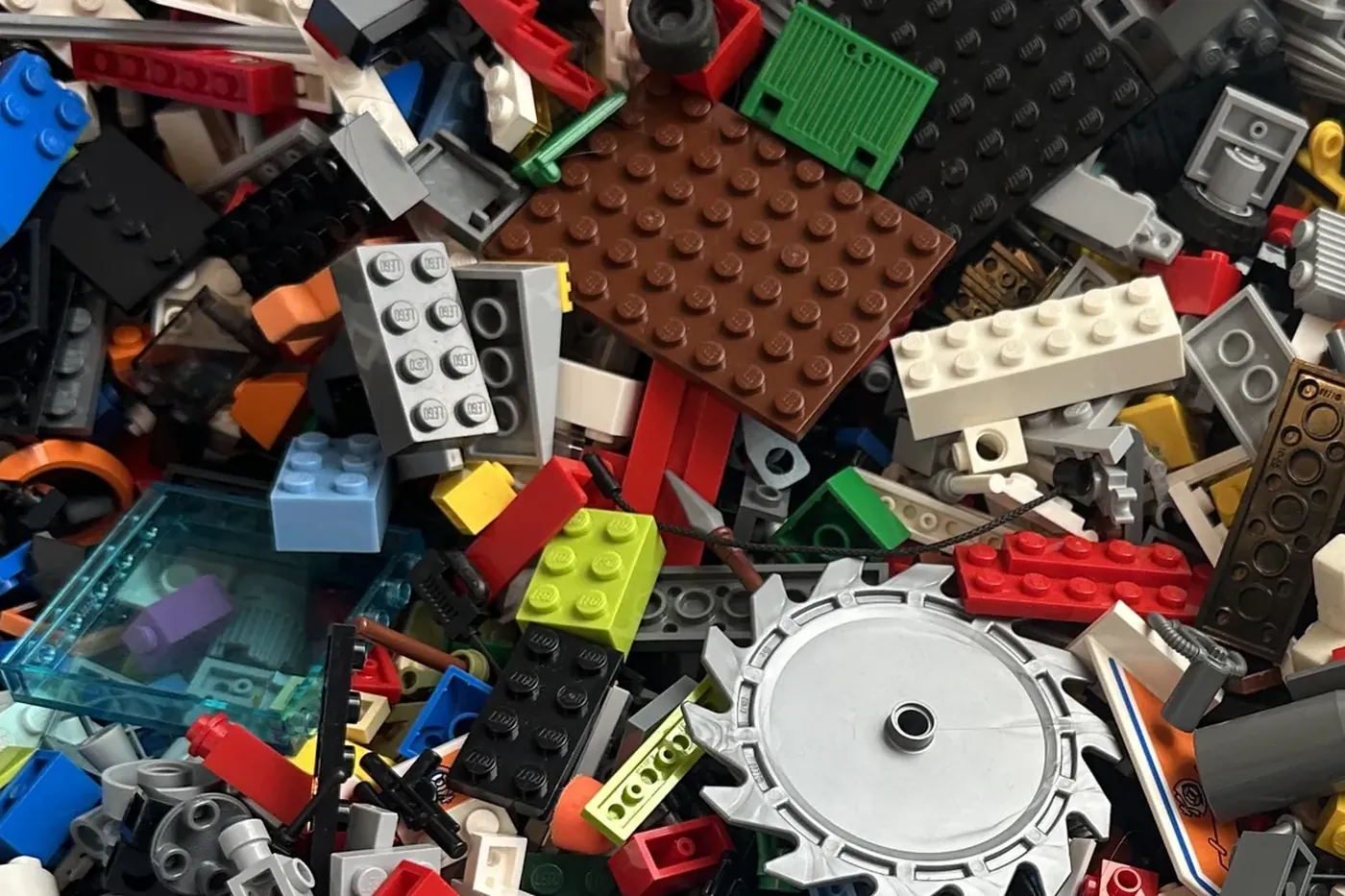
Buying a used set is one of the best ways to grow a collection — if it's actually complete. A few missing pieces can turn a bargain into a part-hunting project. Here's how to check completeness properly, whether you're buying or selling.
Why completeness decides the price
A complete used set in good condition is worth far more than the same set missing key parts. Printed pieces, minifigures, and rare elements carry most of the value, so "95% complete" can still mean a costly gap. Knowing exactly what's there protects both buyer and seller.
The official reference point
Every set has a known part inventory. The instructions usually include a parts list, and catalogues like Rebrickable and BrickLink hold the full inventory for almost any set. That inventory is your source of truth for what should be in the box.
The slow way: counting by hand
You can lay everything out and tick it off against the inventory piece by piece. It works, but it's slow and error-prone on anything with hundreds of parts — and easy to miscount small repeated elements.
The fast way: add the set, scan what you've got
With Gybio, add the set to your collection, then scan the loose bricks one at a time. Each scan ticks the matching part off that set, and the "left to find" list shows you exactly what's still missing. That list is your completeness report — useful whether you're deciding what a lot is worth or listing one for sale.
It's a checklist against the set's part list, not a guarantee of authenticity or condition — always inspect printed parts and minifigures by eye too.
Tips for buyers
- Ask the seller for clear photos of minifigures and printed/rare parts specifically.
- Treat condition (yellowing, bite marks, stickers applied) separately from completeness.
- Factor the cost of sourcing any missing parts into your offer.
Tips for sellers
- List precisely what's missing. "Complete except 2× 1×2 tile in red" builds trust and cuts disputes far better than a vague "near complete".
- A clear missing-parts list often justifies a higher price than hedging.
FAQ
How can I tell if a used LEGO® set is complete?
Compare the loose parts against the set's official inventory. Counting by hand works but is slow; identifying each brick and ticking it against the set is faster and shows exactly what's missing.
Where do I find a set's full part list?
The printed instructions include a parts list, and catalogues such as Rebrickable hold complete inventories for almost every set.
What if a few pieces are missing?
Note exactly which, then price in the cost of replacing them from a parts marketplace. Missing printed or rare parts affect value most. If it's a set you're keeping rather than reselling, here's what to do when a set is missing pieces.
Does a missing instruction booklet or box matter?
For a set you intend to build, no — instructions are free to download from LEGO and the booklet has little bearing on the parts. For a set bought as a collectible, the box and booklet can be a large share of the value, so treat those as a separate question from whether the bricks are all there.
Next: if you end up rebuilding the set, here's how to rebuild a mixed-up set.
Add a set, scan your loose bricks, and Gybio shows exactly what's still missing. Free to start, no app store — it runs in your browser.